ABOUT LED BACKLIT HOUSE NUMBERS
LED backlit house numbers that make your home easy to find.
As a professional sign factory, we build your LED backlit house numbers to your design: each number with its own light source and circuit, fabricated with LEDs inside for a soft halo, so your address reads clearly at the entrance and holds a premium look, UL Listed and backed by a 3-year warranty.
Once you approve the shop drawings, production usually runs about 15 business days, and DHL door-to-door shipping adds roughly a week, so figure about 25 days from sign-off to your entrance.
What are LED backlit house numbers?
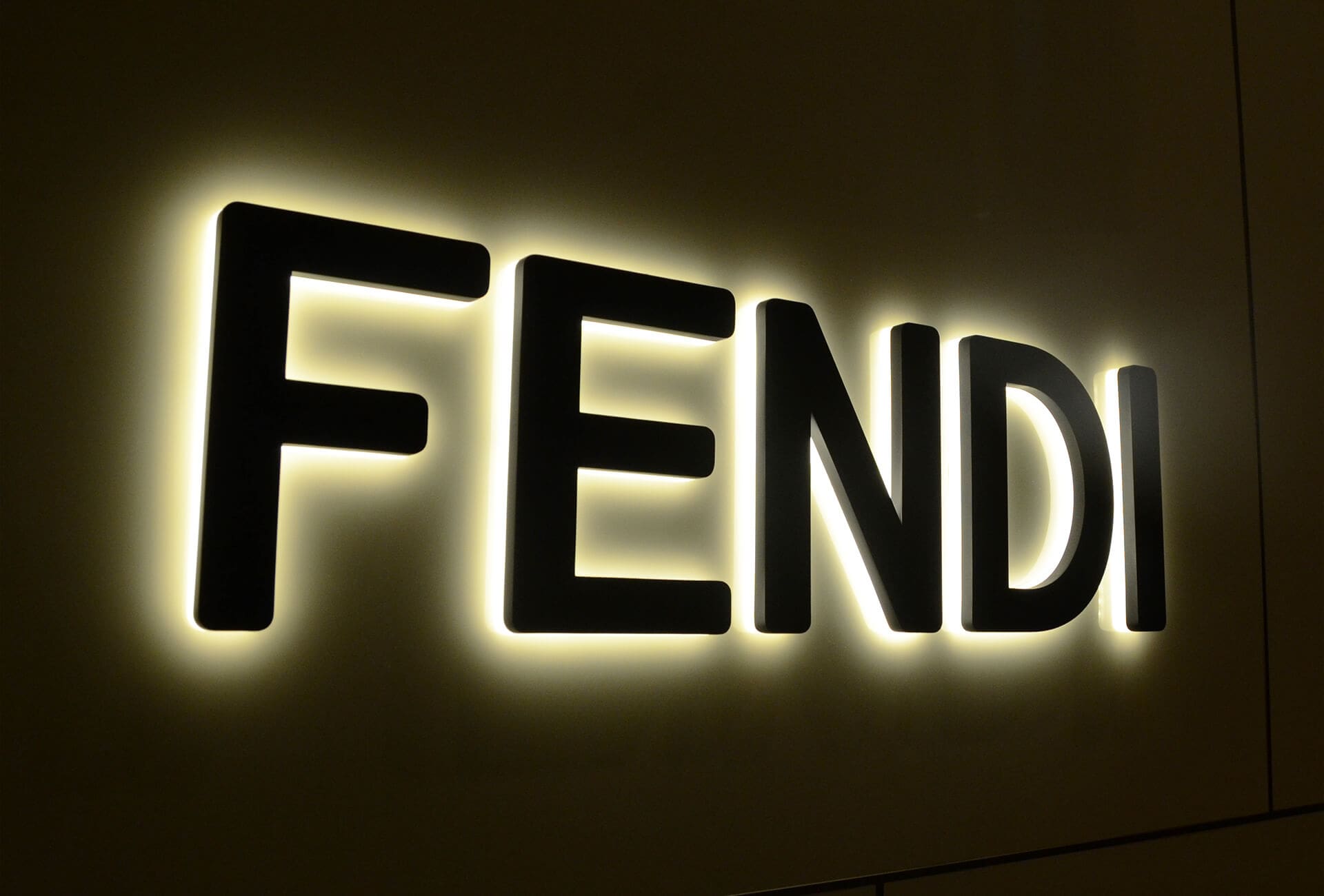
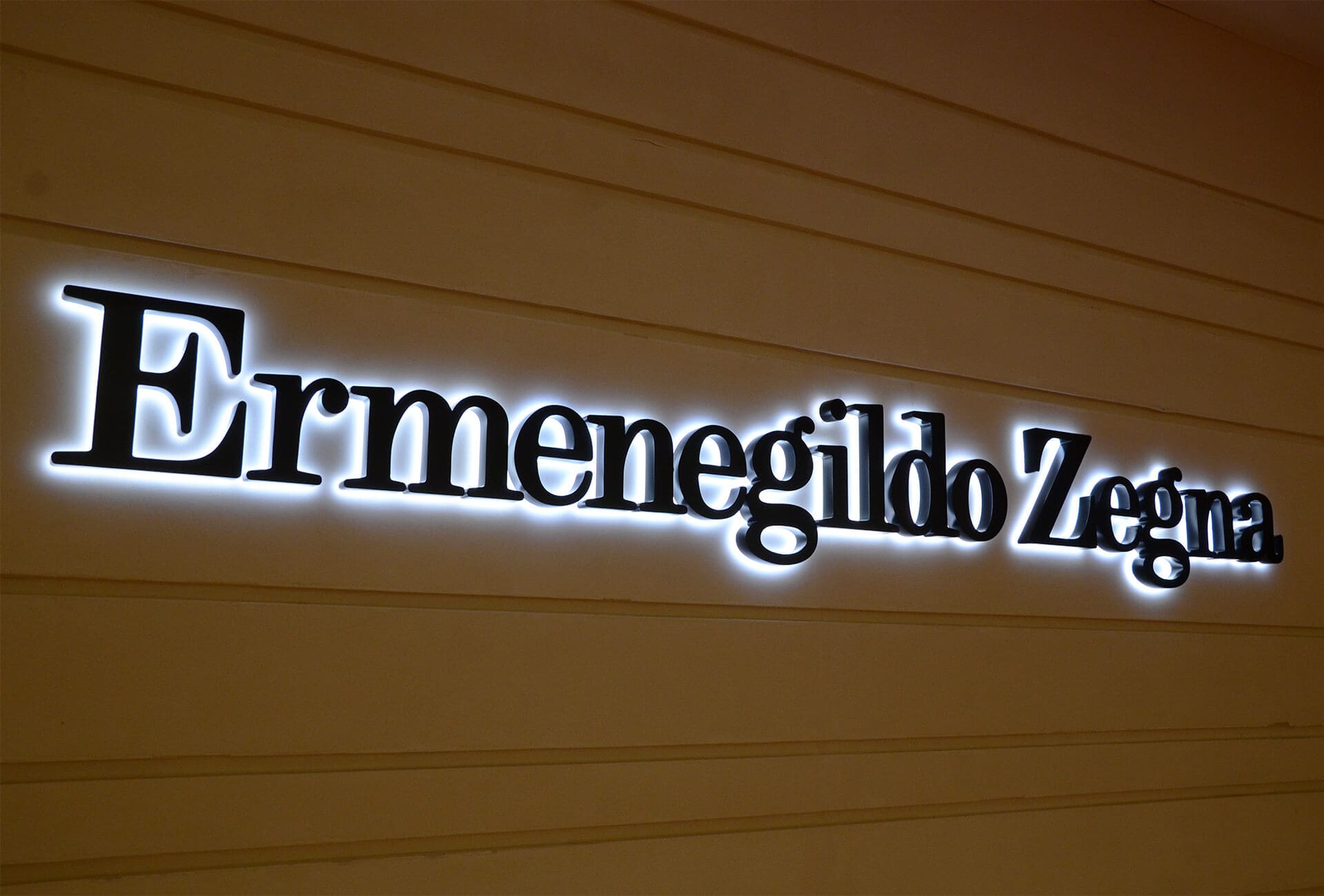
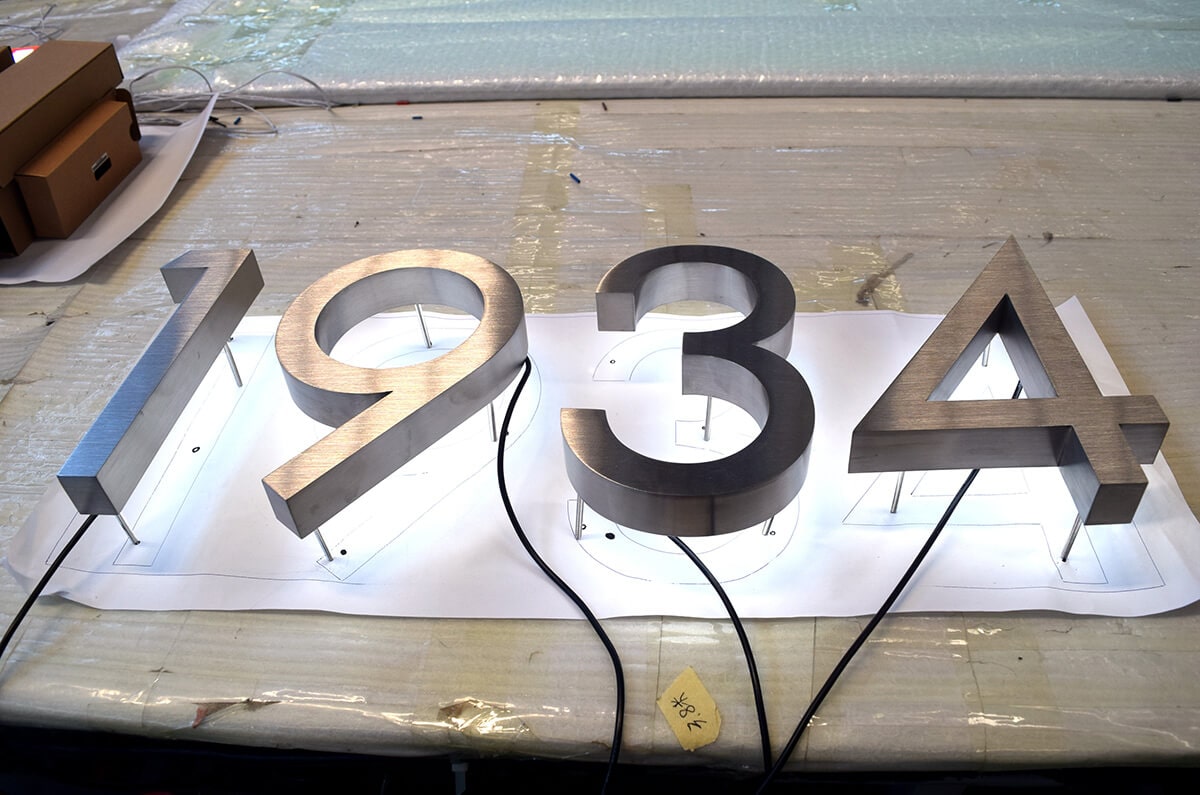
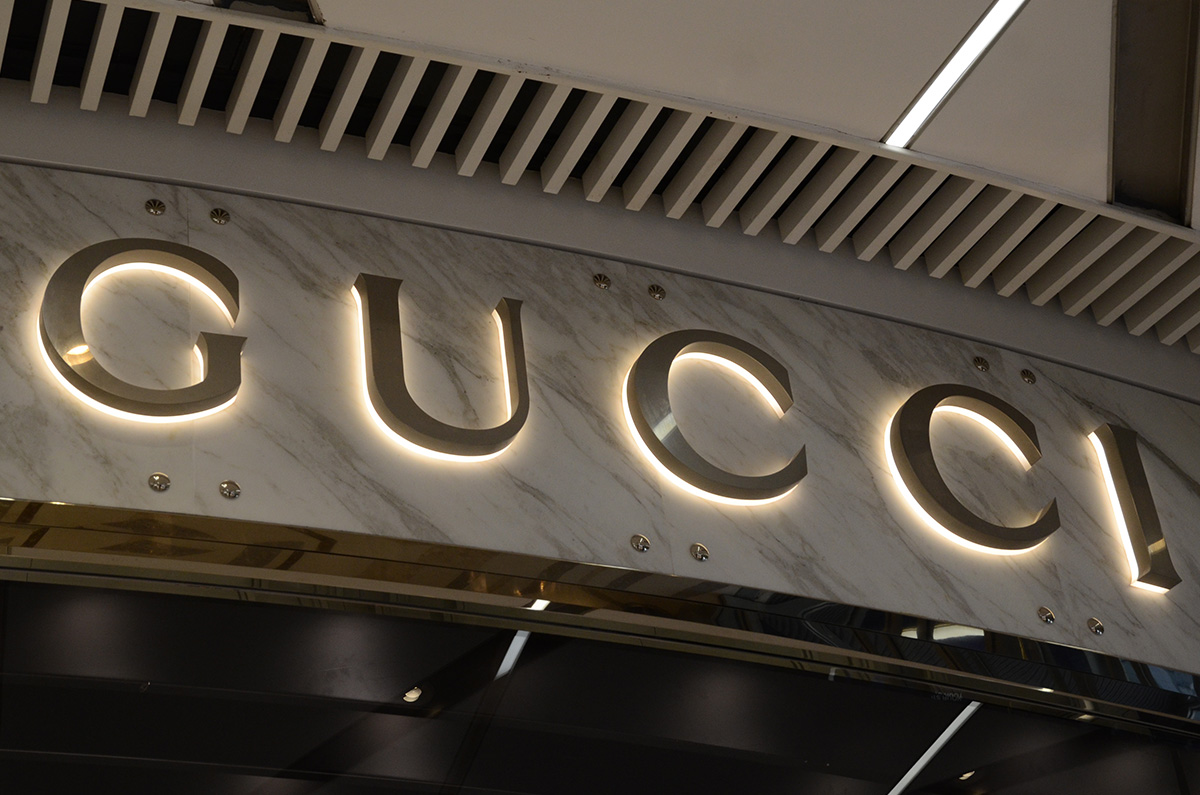
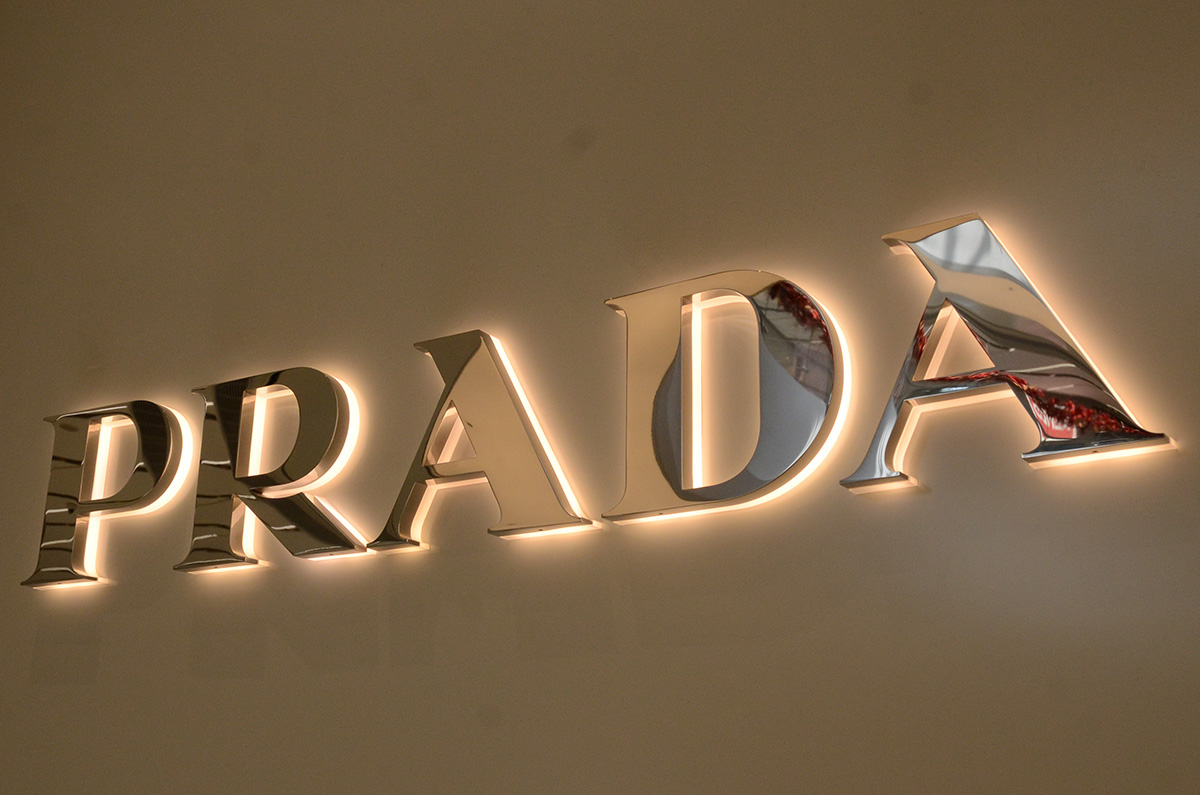
LED backlit house numbers are custom illuminated address numbers, and each separate number has its own light source and its own circuit, made as a hollow metal number shell (called a channel in the U.S.), not a solid slab. The face is laser cut, the returns are fabricated to the numeral shape, and the two are laser welded into one hollow piece; low-voltage LEDs sit inside and throw light backward for a soft halo. Lights off, it reads as a crisp metal number; lights on, the numeral glows on the wall and the address is easy to find. A house number is really a small sign that people read up close and from the street, so these are premium address signs built in stainless steel, 304 by default and marine-grade 316 on the coast, not aluminum. For a matching address name or a full address plaque, see LED backlit letters and LED backlit signs board.
Common applications and related pages
Beyond homes, backlit house numbers mark the entrance for real estate offices, hotels, corporate buildings, and churches, where the address is part of the front door and needs to be found after dark. This is entrance signage that has to read from the street, so the address signage is sized and lit to be spotted from a passing car. Here are a few typical industries.
Clear, well-made numbers make your address easy to find and lift the whole entrance. Good signage gets noticed: in a national survey, 76% of consumers had walked into a store they had never visited before because of its signage (per FedEx Office)1.
What we need for your custom project
- Design file
- Tell us the numerals and the style you like. A vector file works best; a high-resolution raster or an AI-generated flat image is enough for a quote. Skip software auto-tracing: it loses much of the detail, so send the high-resolution raster as it is.
- Property sign rules
- Check the sign rules for your address: a home may have an HOA, and a property may have a landlord or management rule set covering the size range, finish or color, light color temperature, and mounting. If there are written criteria, send them, and both the quote and the shop drawings will follow them.
- Sizes
- Size the numbers to be read from the street. Many local codes follow a model-code floor of about 4 in (102 mm) tall with a 0.5 in (12.7 mm) stroke for address numbers (per ICC model codes)5, but the rule is set by your local jurisdiction, so we size to whichever is larger. Bigger is easier to find: in a national shopper study, 90.9% agreed that sign letters should be large enough to read from a car at the curb (per BrandSpark)3.
- Wall or mount
- Send a photo of where the numbers will go: a wall, gate, pillar, or fence, and the material. That tells us the mounting method and how to route the cabling, and the surface color also affects how the reflected halo reads on the Common model.
- Power
- Tell us the power available at the entrance (AC or DC) and the voltage, and whether a conduit already runs to the wall or pillar, so we can match the right Mean Well power supply.
- Site conditions
- Tell us about the outdoor spot so we build for it: whether it is a rainy area, whether it hits extreme heat, whether it gets hard winter freezes, and whether it is dusty; also let us know if the site is coastal, which steers the metal to marine-grade 316. Tell us whether the cabling can route through the wall or pillar, and where the power supply can sit so it stays accessible and sheds heat.
- Finish
- Choose from a full range:
- Mirror polished
- Brushed
- Vibration finish
- Painted or powder-coated color, in gloss, semi-gloss, or matte (tell us the exact color and we color-match to Pantone, RAL, SW, or MP swatches)
- Plated metal colors (gold, black titanium, copper, and more)
- Special effects such as wood grain, antique, and marble look
- Light color
- White
- Warm white
- Red, yellow, blue, or green
- Adjustable color (RGB / WRGB)
Choosing your model: Luxury or Common
LED backlit house numbers come in two models, Luxury and Common. On a sheltered entrance wall or pillar, the Luxury model gives a brighter, richer glow; for a fully exposed spot, the Common model sheds heat and weathers best. See the point-by-point comparison in Compare below.
Luxury model
- Opal acrylic backing panel partly exposed, with a stronger halo
- Mounts flush or nearly flush to the wall
- Best for premium storefronts and brand walls
View Luxury Model Common model- Opal acrylic backing panel hidden inside the metal sign shell
- Mounts about 3/8 to 3/4 in (10 to 20 mm) off the wall
- Suits storefronts, large signs, curved walls, and outdoor sites
View Common Model Installation and electrical
Installation
- The numbers mount to a wall, pillar, gate, or fence with the studs and 1:1 template we supply, and the Common model stands slightly off the face so the halo can form.
- Route the cabling through the wall or pillar so only the clean, glowing numbers show.
- A professional installer gives the neatest result, though a small set on an accessible wall is a manageable DIY job.
Power supply
- The power supply sits behind the wall or in a nearby accessible spot, where it sheds heat and stays reachable for service.
- For U.S. projects, we plan a 12V DC low-voltage system with a UL Listed Mean Well power supply before production.
Outdoor planning
- 304 stainless steel by default; marine-grade 316 for coastal or high-salt sites. House numbers are small and read up close, so we build the sign in stainless steel, not aluminum.
- We plan waterproof LEDs, drainage at the bottom of the metal number shells, and edge detailing that keeps the halo clean.
LED backlit house numbers FAQ notes
- How big should my house numbers be, and are there code rules?
- Size them to be read from the street. Local codes set a minimum height and stroke for address numbers, and your local jurisdiction has the final say, so we size to whichever is larger. The point is that a guest, a delivery, or a first responder can find your address at night.
- Where can I mount backlit house numbers?
- On a wall, gate, pillar, fence, or entry column. We supply a 1:1 template and route the cabling through the wall or pillar, so only the clean, glowing numbers show. The Common model stands slightly off the face for the reflected halo; the Luxury model sits flush for a brighter glow.
- Are they weatherproof for outdoors?
- Yes. We default to 304 stainless steel and move to marine-grade 316 for coastal or high-salt sites, with waterproof LEDs, drainage at the bottom of the metal number shells, and edge detailing against light leaks. Tell us if it is rainy, freezing, or coastal, and we build the sealing and drainage around it.
- What finishes and light colors suit a home entrance?
- Warm white light over brushed or mirror-polished stainless reads warm and premium at an entrance; you can also choose plated metal colors such as gold, black titanium, or copper, or a powder-coated color in gloss, semi-gloss, or matte. Tell us your entrance style and we will suggest a pairing.
- Can you match an address name sign or a full address plaque?
- Yes. A street or building name can be built as individual LED backlit letters, and a full address plaque as an LED backlit signs board, so the address numbers and the name sign match as one set.
 Backlit signs for real estate brokerages
 Backlit signs for hotels
 Backlit office signs
 Backlit church name signs